
Shopping has changed dramatically over the last two decades. Today, many of us shop online, and traditional retailers such as Walmart and Target aren’t doing very well. What does this mean for the future of retail?
Online sales account for less than 2% of Walmart and Target’s revenue
Walmart and Target are two of the world’s largest retailers. Both have over 5,000 stores in the United States and overseas. However, their business models differ significantly. While Walmart is more centered on a grocery-centric approach, Target has taken an e-commerce-focused approach.
Walmart and Target have roughly the same number of stores, but Walmart has a much higher gross profit margin. This is a result of Walmart’s scale advantage.
Walmart has also built a reputation for low prices and value. This has helped it attract more shoppers looking to save money. But it also means the company has to pass on a large part of its costs to customers. For example, Walmart’s grocery pickup service has helped it earn a reputation as a ‘discounter’.
On the other hand, Target has a wider variety of products. It has expanded its own brand offerings and launched exclusive private brands. At the same time, it has invested in its supply chain and customer experience. In addition, Target has turned its stores into mini-malls.
The company’s online offering is particularly successful. As the year winds down, Target expects its online sales to grow 42%.

Walmart is the largest grocer in the United States. However, it has a lower net profit margin than Target. That said, it is still better positioned to capitalize on the upcoming recession.
Despite the challenges, Target is enjoying strong back to school momentum. Food and beverage sales contributed to the company’s top-line gains. And its e-commerce platform is well-positioned to help it keep up with the competition.
Compared to Target, Walmart has a better asset turnover ratio. However, the company’s stock price is down 31% in the days following its earnings announcement.
Personalization
Personalization has changed the way shoppers shop in the past two decades. As more consumers migrate from brick-and-mortar stores to digital channels, retailers must adapt to meet their customer’s ever-evolving expectations.
To create seamless, omnichannel experiences, retailers must integrate customer data across multiple touchpoints. The result is a more personalized experience, as each shopper is treated as an individual.
But, the benefits of personalization go beyond offering individualized offers. Successful personalization is about anticipating a customer’s needs and using real-time data to make recommendations.
The best personalized experiences leverage data to deliver one-to-one experiences that mirror a customer’s preferences and history. This includes the use of contextual data and real-time data, which can be delivered by a variety of channels.
For example, a mobile app for a clothing company could serve up product recommendations based on a shopper’s recent purchases and behaviors. It also might include a promo code for a discount on a store purchase.
While personalization can be beneficial, it isn’t without its drawbacks. Consumers expect more than targeted offers. They want to know that you’re on their side. And they need help, when they need it. In other words, personalization should be a proactive approach, not a reactive one.
Despite the fact that it’s been around for a while, retailers aren’t leveraging their existing technology to its full potential. Many stores have siloed systems that prevent data sharing. These challenges impede the ability to create a truly personalized customer experience.
However, the best personalized experiences can provide valuable insights that can help companies improve their operations and stay ahead of the competition. Aside from creating a better top line, a personalization program can lead to greater customer loyalty, which can translate into a larger wallet share.
Omni-channel retailing
Omni-channel retailing is a method of selling products to customers across multiple channels. These channels may include websites, mobile apps, or brick-and-mortar stores. Retailers should develop a comprehensive plan to integrate their physical and online presences to ensure a consistent brand experience.
Many retailers have been operating in silos over the past two decades. But many are finding that customers are changing their shopping behavior. They want a seamless experience that is easy to use and offers the convenience of one-stop shopping.
With an omnichannel retailing strategy, retailers can boost their existing customer base and expand into new markets. In addition to generating more sales, omnichannel retailing can improve the shopping experience.
The interplay between digital and physical channels has been an important focus area for retailers in recent years. But it is a challenging task to mobilize an entire organization to implement omnichannel innovations.
Putting a product in front of the right audience at the right time is vital for omnichannel success. Marketers can optimize search terms, send coupon codes to mobile devices, and expand reach through digital advertisements on social media platforms.
In addition to building awareness, retailers must cultivate trust with their products. Providing quick, hassle-free returns can also boost sales.
The supply chain is the biggest challenge to omnichannel today. Retailers must develop customized solutions to accommodate consumers’ needs.
In addition to offering a better shopping experience, omnichannel retailing can help retailers gain an edge over their competitors. For example, curbside pickup, also known as BOPIS, can drive sales.
Omnichannel retailers can set up a competitive advantage by providing excellent service and delivering a consistent brand experience. The customer must feel that he or she is getting the best value for their money.
Malls have declined in appeal
Shopping malls have taken on a new role in our cities and are now redefining their role as a retail and civic space. They no longer only serve as anchors for department stores, but have also become anchors for bars, fitness centers, salons, restaurants and cinemas.
The original concept of shopping malls was to create a large open-air shopping area that would attract customers by offering a variety of stores. However, as technology advanced, consumers could now shop for their purchases from any location. This, in turn, has led to decreased foot traffic and sales at these stores.
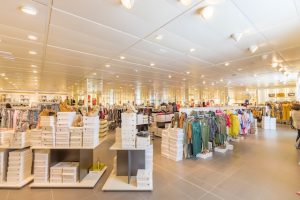
Traditionally, these malls were located in suburban towns and villages. Many of these shopping centers had wide highways surrounding them, making it hard for people to get to them without a car. These malls also didn’t have public transportation connections.
As the US suburbs expanded, the popularity of shopping malls increased. This was a result of zoning ordinances, tax law amendments and federal urban renewal funding. Most of the malls were built in the 1950s and 1960s, as the US suburbs began to grow away from the city center.
After the 2008 recession, the number of malls in the US declined. The malls that remain are likely to be redeveloped or turned into mixed-use communities. Mixed-use communities connect residential, commercial and civic spaces to encourage more integrated communities. For developers, this can be an attractive investment opportunity.
As the future of malls changes, many urban planners and designers are examining these structures’ role in our communities. It may be time for malls to take a new direction. Instead of being just one more anchor store for a department store, these malls will again capture the attention of urban planners and developers.
Traditional retailers are lagging badly
Traditional retailers are lagging behind their online competitors. Online retailers are gaining ground, and their business models are changing. They are also competing with fast fashion chains that offer higher-priced capsule collections, and retailers are competing for customers who don’t want to pay a premium.
A recent study by Forrester Research predicted that traditional brick-and-mortar stores will account for 85 percent of US retail sales by 2025. However, some of the formats will face declines of 5 to 7 percent annually. This will leave many formats with a declining share of total sales, making it harder for them to stay profitable.
The growth of digital retailing threatens the economics of existing stores, as vendors will allocate more trade dollars to promote brands in the digital realm. In addition, the rise of price transparency will put pressure on gross margins. But even with these forces at work, it will take years before the full impact is felt.
One way that traditional retailers are fighting back is by cutting costs. Retailers have reduced labor and streamlined processes to save money. Another way is to focus on customer service. These initiatives can help differentiate stores from their online counterparts, but they also weaken their competitive advantage.
Traditional retailers will need to develop an omnichannel strategy. When they do, they can become an effective competitive weapon. With an omnichannel strategy, stores will serve as an asset that can be used to generate sales. An effective omnichannel strategy also helps retailers create value through a variety of online and offline channels. And it is important to keep in mind that the digital technologies used in one channel can be seamlessly integrated into another.