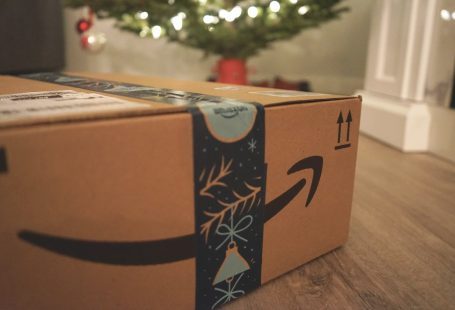
Shopping has become an increasingly important aspect of our daily lives and in the past decade or so, we have seen the advent of the internet. This change has opened up a world of possibilities for shoppers, who can now buy anything they want in a matter of seconds. While it’s easy to assume that the internet has been responsible for most of the changes we’ve seen in the way we shop, this isn’t necessarily the case. There are several key factors that have led to the modernization of shopping, including social media, omnichannel experiences, and chatbots.
Amazon
Amazon has changed shopping on the internet in many ways. From offering faster delivery than most retail chains to giving shoppers the convenience of one-click ordering, Amazon has made shopping online more convenient than ever.
But how has it affected retailers? While retailers are responding to consumer demand for easy online shopping, there are also many consumers who prefer to shop with local retailers. Some stores have responded by creating an atmosphere that reflects their brand and values. Alternatively, they are leveraging their existing strengths.
For example, Target has made a point of providing stellar customer service in stores. They have also built a mobile app to make it easier to shop.
Walmart, on the other hand, is known for its Great Value household products. It has also caught up with Amazon by competing in Black Friday deals searches.
However, it’s important to note that while Amazon has impacted retailers, it hasn’t destroyed the industry. Rather, it’s forced them to innovate and become more efficient.
In order to succeed, stores need to understand the components of the “Amazon Effect.” Aside from the fact that retailers have to create an environment that is conducive to the needs of shoppers, they need to offer ongoing deals, buyer-specific coupons and mobile experiences that are top-notch.
Another key aspect of the “Amazon Effect” is the fact that retailers are being forced to speed up their processes. Amazon has also reduced shipping times to about 1.5 days compared to the traditional retail industry.
Retailers are also beginning to leverage their customer data and purchase behavior to provide customers with customized offers. These include buyer-specific coupons, SMS-based loyalty programs and re-order features.
Social media platforms
Social media has changed the way we buy and sell products. With a simple click, shoppers can browse through the latest trends and find products they want to purchase. These platforms allow brands to interact with their clients and give them a more personal experience. They also give customers more information about their products.

Social commerce combines user-generated content, expert insights, and scrollable videos. This makes it easier for shoppers to purchase items from their favorite brands without leaving their apps. However, social shopping is still in its early stages. Some social networks still try to get users to make a purchase in-app. But the trend shows no signs of slowing down.
As of 2016, there are over 1 billion monthly active users on Instagram. Instagram Shops let shoppers browse, read product descriptions, and purchase products without leaving the app. It’s a great place to start if you’re looking to build a social ecommerce presence.
Pinterest is another popular platform. Brands can use this site to provide product information and inspire customers. Many companies have started using this platform to promote products and services, and to provide discounts and offers.
Instagram has also attempted to monetize its service through sponsored advertising. It has more than a million paid advertisers, and is expected to generate $4 billion in advertising revenue by 2021.
In order to effectively engage with consumers, marketers must maintain an authentic brand voice. They also have to monitor trends and cultural shifts. By adapting to the changing consumer landscape, marketing professionals will be able to stay ahead of the competition.
Social commerce will likely continue to evolve as technology improves. However, marketers will need to address the changing demands of social media users.
Chatbots
Chatbots have changed the way shopping on the internet is done. With a simple conversational message, a chatbot can help consumers find the right products, and guide them through the buying process. It also helps businesses collect customer feedback. And if a product is out of stock, a chatbot can let customers know.
Today, over 100,000 businesses are using chatbots to communicate with their audiences. They’re helping companies streamline operations and improve the customer experience. While they won’t replace human workers, they are a great addition to the team.
A chatbot can respond to customers’ inquiries about products and services, and provide recommendations based on a buyer’s past purchases. These can be helpful in closing the sale, but they can also be used to reengage a customer after the sale has ended.
In order to build a successful chatbot, make sure it follows a clear, logical flow. For example, the chatbot should ask a series of questions about the consumer’s intent. The bot should then offer products that are a good fit.
Some of the best bots can even imitate free-flowing conversations. Another benefit is that they are able to learn from previous interactions. As AI continues to evolve, more capabilities will be offered to chatbots.
For instance, the H&M retail bot allows users to create a style profile. It then suggests outfits based on the customer’s style preferences. Users are then able to vote for their favorite look. This results in an exceptional experience for both the consumer and the retailer.
While chatbots are not for everyone, they do have some benefits for ecommerce businesses. A bot can streamline operations, improve the customer experience, and increase revenue.
Omnichannel experiences
The internet has changed how people shop for a variety of reasons. It has made it easier to do things such as purchase items, compare prices and make payments. Consumers can also shop on-the-go. Whether they are at home, at the office or on the road, the internet provides an easy way for shoppers to find and purchase products.
While there is no denying the impact of the internet on shopping habits, there is also a lot to be said for the physical retail experience. This is especially true in the case of brick and mortar stores that have not yet embraced the Internet.
In fact, a recent study conducted by Google and Ipsos MediaCT found that 9 out of 10 shoppers would rather buy goods from retailers that offer omnichannel experiences than those that do not. These retailers can improve their customer relationships by integrating multiple channels and technologies into their marketing and sales strategies.
For example, GOAT is a mobile sneaker marketplace that sends push notifications to consumers whenever they are on sale. They also feature livestreams of their store and allow users to purchase items online.
Similarly, Sephora has also integrated in-app personalization and behavior-based push notifications into their mobile apps. Their shoppable videos have been used by Rihanna’s Fenty Beauty brand.
Another enticing feature of a livestream is the ability to reach out to a large audience in real time. Companies can feature the livestream on their official website or Facebook page. Moreover, the streaming format can be optimized for different devices, making it easy for audiences to engage.
To build a truly seamless omnichannel experience, companies need to meet their customers where they are. The best way to achieve this is to digitize in-store experiences.
Robots
The impact of robots on shopping is becoming more apparent. Retailers are seeing that robotics can help them improve their customer experiences, cut costs, and increase productivity.

One of the most interesting areas of retail robotics is the ability to monitor and analyze customer behavior. Robots are also capable of generating personalized product recommendations. They can even help with customer path analysis and zero defect logistics.
Another area of retail robotics that may have an impact is micro-fulfillment centers. These locations are smaller than typical retail warehouses, and they help to keep aisles clear. In some cases, it’s impossible to use these spaces without robots.
Earlier this year, Walmart announced that it would begin using robots in local fulfillment centers. This would give store associates time to do other more valuable tasks. However, the partnership will end by the end of 2020.
Amazon has also reduced its workforce. It hopes to eventually automate its entire supply chain.
The Internet of Things combines manufacturing, transportation, and retail. Some companies are already using robots to speed up product picking, speed up innovation, and enhance customer experiences.
The use of robotics is increasing rapidly. It’s a natural response to the rise of e-commerce. But how should retailers implement these systems? Many are still unsure of what the best approach is.
While robots may be able to do some tasks more effectively than humans, they may not be able to handle complex reactions and decisions. Moreover, they could have limitations in creative thinking. Regardless of the limitations, retail robots can be a great addition to your store.
Several big retailers are already using robots in their stores. For example, Walmart has deployed robots in 50 of their stores.